

The earphone jack is an essential component in modern audio devices, widely used in smartphones, computers, audio systems, and other portable electronics. Understanding the structure and common problems of earphone jacks not only helps with daily maintenance but also enables quick troubleshooting when issues arise.
1. Basic Components of an Earphone Jack
An earphone jack typically consists of the following three main parts:
Housing
The housing is the outer shell of 2.5mm or 3.5mm earphone jacks. It houses the internal contact components and also serves as the mounting interface that secures the connector to the device. The housing helps protect the internal parts and ensures a stable connection.
Insulating Part
The insulator's primary function is to maintain proper positioning of the contact parts and ensure electrical insulation between each contact as well as between the contacts and the outer housing. It prevents short circuits and ensures reliable performance during use.
Contact Part
The contact component is the conductive part of the connector. It transmits voltage or signal from the connected PCB board or wires to the corresponding contact part of the matching connector. The contact design and terminal structure may vary depending on the product requirements, ensuring efficient signal transmission.
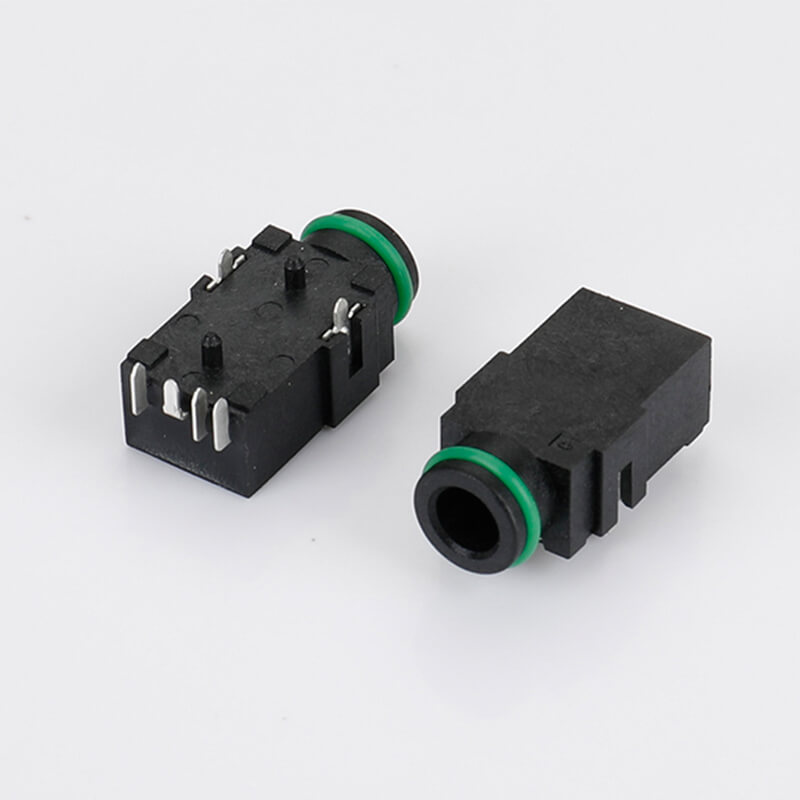
2. How to Deal with a Broken Earphone Jack Housing
If the earphone jack housing is damaged during use, follow these steps for repair:
• Remove the damaged housing and clean the surrounding area using alcohol to eliminate dust and oil.
• Dry the area thoroughly with a tissue or cloth after cleaning.
• Use specialized 704 silicone adhesive to bond the broken parts. Unlike ordinary glue, 704 silicone has moderate adhesion and low permeability, reducing the risk of internal component damage.
• Allow the adhesive to dry completely before reinstalling the jack into the device.
Important Tip: Avoid using common strong adhesives to glue the housing, as they may penetrate the jack and damage internal components, or make future repairs difficult due to excessive bonding strength.
3. Common Earphone Jack Issues and Causes
Over time, earphone jacks may experience the following issues:
• Loose connection due to improper plug-in/out: If the plug is not inserted correctly or frequently pulled, it may become loose, causing noise or audio dropouts.
• Oxidation of the plug surface: Prolonged exposure of the plug to air may lead to oxidation of the metal plating, resulting in poor contact and degraded audio performance.
• Internal solder joint loosening: Frequent insertion and removal may weaken the solder joints inside the jack, causing unstable connections.
• Intermittent audio or noise at the plug: If audio cuts out or static occurs when moving the plug, it often indicates a broken wire or poor contact at the plug-jack connection.
Though small in size, earphone jacks play a vital role in stable and high-quality audio transmission. With proper care and usage, the lifespan of an earphone jack can be significantly extended. Understanding its structure and mastering basic repair techniques can greatly enhance your ability to maintain and troubleshoot your audio equipment efficiently.