

In today’s global electronics market, selecting the right headphone jack for your devices is more critical than ever. Whether you are designing consumer electronics, professional audio equipment, or smart home devices, the choice of headphone connector directly impacts audio quality, durability, and user satisfaction. For businesses sourcing components abroad, understanding the various types of headphone jacks and their specifications can make all the difference.
Understanding the Different Types of Headphone Jacks
The market primarily features three sizes of headphone jacks, each suited for different applications:
• 2.5mm Headphone Jack
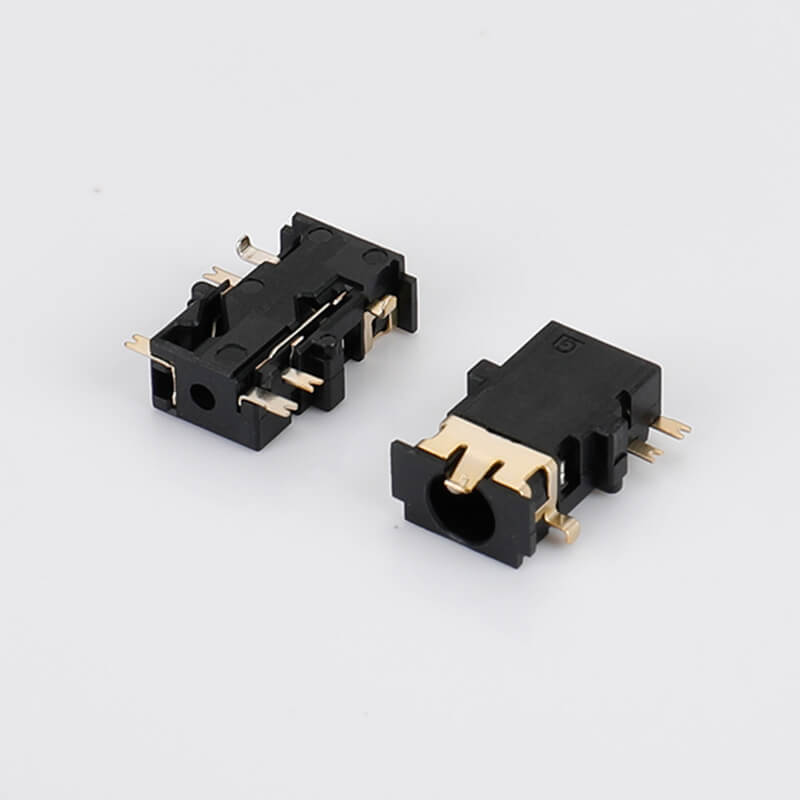
Compact and lightweight, the 2.5mm jack is commonly used in mobile phones, communication devices, and portable audio gadgets.
Its smaller size is ideal for space-constrained designs but may not support high-fidelity audio as efficiently as larger connectors.
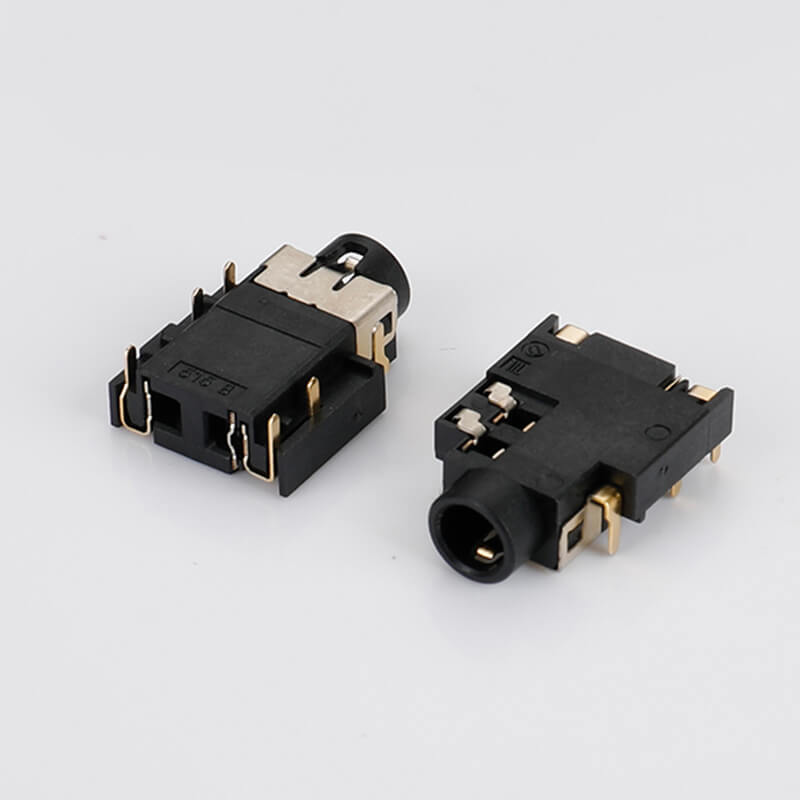
• 3.5 mm Headphone Jack
The most widely adopted standard globally, the 3.5 mm headphone jack is versatile and compatible with a vast range of devices, from smartphones and laptops to professional audio equipment.
It balances size and performance, offering reliable audio transmission and ease of use.
• 4.4mm Headphone Jack
Often referred to as the Pentaconn connector, the 4.4mm jack is increasingly popular in high-end audio systems.
It supports balanced audio signals, reduces noise, and delivers superior sound quality, making it the preferred choice for audiophiles and professional audio applications.
Key Factors to Consider When Choosing a Headphone Jack
When sourcing headphone jacks internationally, several critical factors should guide your decision:
1. Electrical Performance
A high-quality headphone jack must maintain stable electrical connections to ensure clear, distortion-free audio. Check for contact resistance, insulation resistance, and voltage tolerance. For example, reputable manufacturers provide specifications ensuring minimal signal loss and safe operation, even in demanding conditions.
2. Mechanical Durability
Frequent plugging and unplugging can quickly wear down low-quality connectors. Look for insertion/withdrawal cycle ratings, force specifications, and robust material construction. Components like Jetour Electronic’s 3.5 mm headphone jack are tested for thousands of cycles, maintaining consistent performance and reliability.
3. Environmental Adaptability
International applications often require connectors to withstand varying environmental conditions, such as humidity, temperature fluctuations, and corrosion. Features such as waterproofing (IPX ratings), salt spray resistance, and high-temperature solderability ensure the headphone jack performs reliably in diverse markets.
4. Compatibility and Standardization
Understanding regional audio standards and device requirements is essential. While the 3.5 mm headphone jack is almost universal, certain professional or high-end devices may require 4.4mm connectors for balanced audio or 2.5mm for compact applications. Choosing the right size ensures seamless integration and reduces compatibility issues.
5. Certification and Quality Assurance
When sourcing abroad, verify that the headphone jack complies with international quality standards such as ISO9001/ISO9000:2016. These certifications guarantee that the component has undergone rigorous quality control, from materials selection to manufacturing and testing.
Why Partner with a Trusted Manufacturer
Selecting the right headphone jack is not just about the size or type—it’s about partnering with a manufacturer who can ensure consistent quality, reliability, and support. Companies like Jetour Electronic specialize in 2.5mm, 3.5 mm, and 4.4mm headphone jacks, providing fully tested, durable, and high-performance connectors for international markets.
By choosing a reliable supplier, businesses can minimize returns, improve end-user satisfaction, and streamline their global supply chain. This approach ensures that your devices maintain superior audio performance while meeting international standards.
Conclusion
Choosing the right headphone jack for international applications requires a thorough understanding of types of headphone jacks, electrical and mechanical performance, environmental adaptability, and compliance with global quality standards. From compact 2.5mm headphone jacks to versatile 3.5 mm headphone jacks and high-end 4.4mm headphone jacks, the key is to match the connector to your device’s requirements and end-user expectations.
Partnering with a trusted manufacturer ensures that your devices deliver reliable, high-quality audio performance abroad, enhancing your brand reputation and customer satisfaction.