

1. The Evolution of Headphone Jacks
The journey of headphone jacks dates back over a century. The earliest version, the 6.35 mm (¼ inch) jack, was developed in the late 19th century for use in telephone switchboards. Due to its sturdy build and excellent durability, it quickly found its way into professional audio equipment, musical instruments, and studio gear—where it is still in use today.
As audio technology advanced and portable devices became more common, there was a need for smaller connectors. This led to the birth of the 3.5 mm headphone jack, often referred to as the mini jack. Its compact size made it perfect for consumer electronics like Walkmans, MP3 players, smartphones, and laptops. It quickly became the global standard for personal audio devices.
Later, the 2.5 mm headphone jack, also known as the sub-mini jack, was introduced as an even smaller alternative. It saw use in compact mobile phones, communication devices, and early Bluetooth accessories. While less common today, it's still used in select applications that demand minimal space.
More recently, as audiophiles and high-end audio manufacturers demanded better sound fidelity, the 4.4mm headphone jack was introduced by the Japan Electronics and Information Technology Industries Association (JEITA). Designed specifically for balanced audio, it offers higher power output, better separation, and less distortion—especially for high-impedance headphones.
In summary, headphone jack technology has evolved to meet the needs of both everyday users and audio professionals. Today, understanding these different jack types—2.5 mm, 3.5 mm, and 4.4mm—is key to selecting the right connector for your sound system.
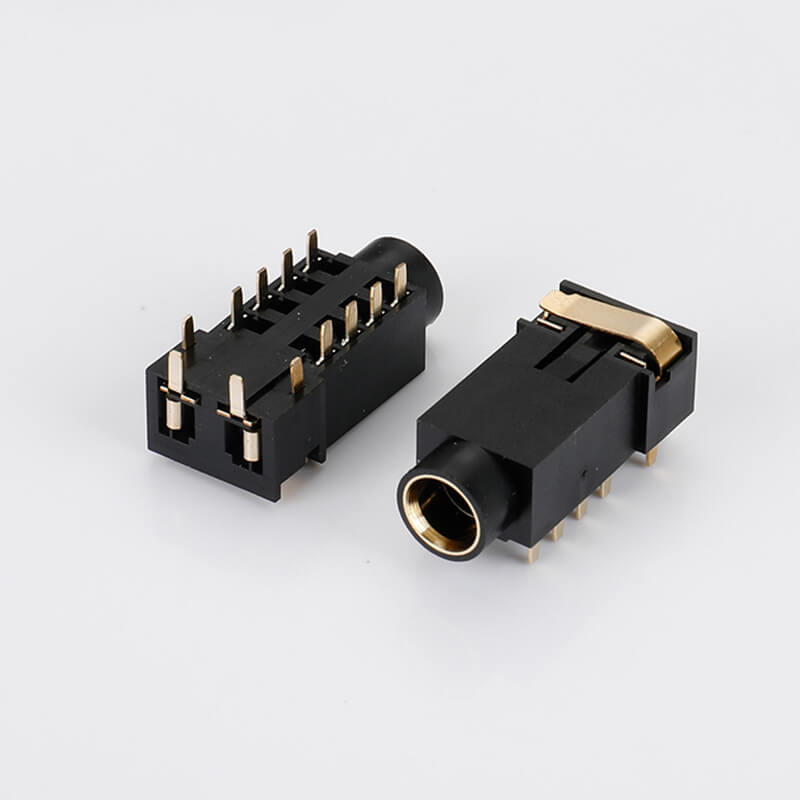
2. What Is a Headphone Jack?
At its core, a headphone jack is an analog audio connector that transmits sound from a device (like a phone or amplifier) to headphones, speakers, or another output system. While it might seem like a simple plug-and-socket system, there's more complexity behind its design — especially when we look at the 2.5 mm, 3.5 mm, and 4.4mm headphone jacks.
TRS, TRRS, and Beyond
Most headphone jacks follow a configuration known as TRS or TRRS:
T (Tip): Carries the left audio channel.
R (Ring): Carries the right audio channel (and sometimes microphone or video signals).
S (Sleeve): Acts as ground.
A TRS (Tip-Ring-Sleeve) connector typically supports stereo audio (left and right).
A TRRS (Tip-Ring-Ring-Sleeve) connector adds support for a microphone or video signal — common in modern smartphones with headset functionality.
Each jack size — 2.5 mm, 3.5 mm, or 4.4mm — can use TRS or TRRS configurations, but compatibility depends on the specific device and use case.
Balanced vs. Unbalanced Connections
A key concept in audio is the difference between balanced and unbalanced connections:
Unbalanced: Uses two wires (signal and ground). Found in most consumer audio devices like 3.5 mm headphone jacks.
Balanced: Uses separate signal paths for left and right channels with independent grounds, reducing noise and improving sound quality. Found in 2.5 mm and especially 4.4mm headphone jacks in high-end audio systems.
Understanding these configurations helps you choose the right jack for the desired audio performance, whether you're using basic earphones or professional-grade headphones.
3. The 2.5 mm Headphone Jack
The 2.5 mm headphone jack, also known as the sub-mini audio jack, is the smallest of the common analog audio connectors. While not as widespread as the 3.5 mm variant, it has carved out a niche in certain specialized applications thanks to its compact size and ability to support balanced audio connections.
Where It’s Used
The 2.5 mm jack is often found in:
Two-way radios and communication headsets
Some older mobile phones and MP3 players
Compact Bluetooth receivers or transmitters
Audiophile-grade portable DACs/amps using balanced outputs
Because of its tiny footprint, the 2.5 mm jack is ideal for ultra-compact devices where space-saving is essential.
Pros
Space-efficient: Perfect for slim or handheld devices.
Balanced capability: Often used for balanced output in portable audio setups, which reduces signal interference and improves sound clarity.
Lightweight connectors: Cables and plugs using 2.5 mm are often lighter and more portable.
Cons
Fragility: Smaller size means it’s more susceptible to physical damage, especially with frequent plugging and unplugging.
Limited compatibility: Few modern consumer devices use this jack, and adapters are often needed.
Lower current handling: Not ideal for driving high-impedance headphones.
In summary, the 2.5 mm headphone jack is best suited for niche or professional use cases where compactness and balanced output matter more than broad compatibility. It’s a favorite among portable audiophile setups — especially in players and DACs that support 2.5 mm balanced output.
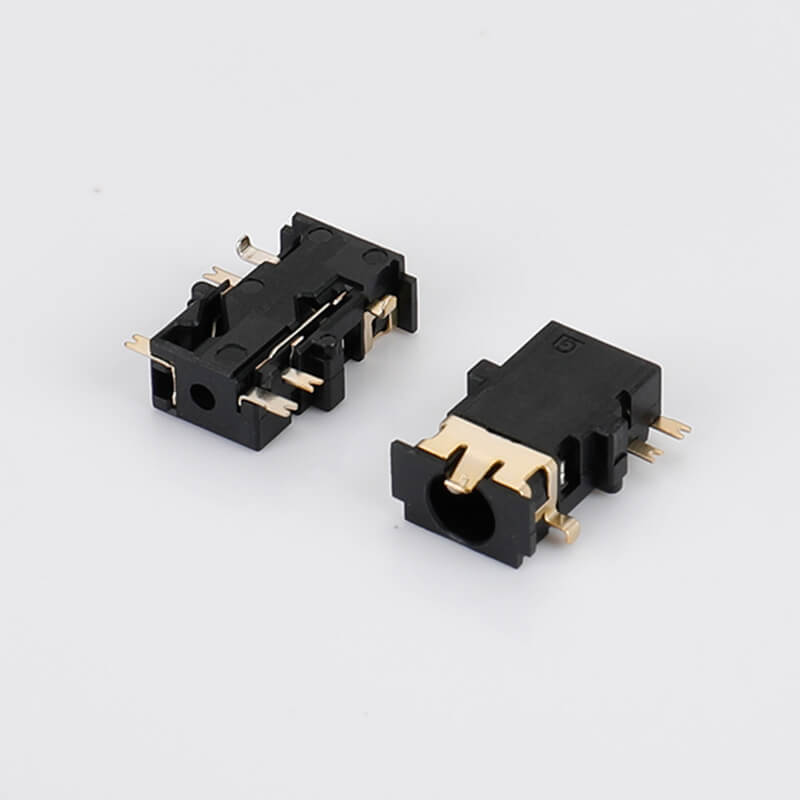
4. The 3.5 mm Headphone Jack: The Universal Standard
The 3.5 mm headphone jack is by far the most widely recognized and commonly used audio connector in the world. Also known as the mini jack or 1/8" jack, it became the global standard for consumer audio devices due to its perfect balance between size, durability, and functionality.
Where It’s Used
Smartphones (though less common in newer models)
Laptops and tablets
MP3 players and portable game consoles
Headphones, earbuds, and microphones
Car stereos and audio receivers
Its widespread adoption makes it the go-to choice for general consumers.
TRS vs. TRRS
TRS (Tip-Ring-Sleeve) configuration provides stereo audio.
TRRS (Tip-Ring-Ring-Sleeve) adds a microphone channel, enabling voice calls and remote control on headsets — a standard in smartphones and gaming gear.
Pros
Universal compatibility: Works with almost every audio device manufactured in the past two decades.
Versatile: Supports both stereo audio and mic input via TRRS.
Abundant accessories: Wide range of compatible headphones, splitters, and adapters.
Cons
Not balanced: Typically carries unbalanced signals, which may introduce noise or crosstalk in high-end audio use.
Phasing out: Many modern smartphones have removed the 3.5 mm port in favor of USB-C or wireless alternatives.
Despite some decline in new mobile devices, the 3.5 mm audio jack remains a critical component in everyday audio products and a reliable standard for millions of users worldwide. Whether you’re plugging into a car stereo, laptop, or classic Walkman, the 3.5 mm headphone jack continues to deliver dependable performance.
5. The 4.4mm Headphone Jack: The Audiophile’s Choice
The 4.4mm headphone jack is the newest among the three, developed by the Japan Electronics and Information Technology Industries Association (JEITA) as a standardized balanced audio connector. Designed to deliver high-fidelity sound in a compact yet robust form, the 4.4mm jack has gained popularity among audiophiles and high-end audio manufacturers.
Where It’s Used
High-resolution digital audio players (DAPs)
Portable DAC/Amps and desktop headphone amplifiers
Premium headphones with balanced cable options
Brands like Sony, FiiO, iBasso, and Topping
It’s quickly becoming the balanced output standard in the high-end portable audio world.
Balanced Audio Explained
Unlike traditional unbalanced outputs (like most 3.5 mm jacks), balanced audio uses separate positive and negative signal paths for both left and right channels. This configuration:
Reduces signal interference and ground noise
Increases dynamic range and clarity
Enables higher power output for driving demanding headphones
The 4.4 mm jack supports these benefits while offering more durability and a better mechanical structure than the smaller 2.5 mm balanced connectors.
Pros
Exceptional sound quality: Designed for balanced output, minimizing distortion and crosstalk.
Sturdy build: Thicker and more durable than 2.5 mm jacks.
Growing industry support: More devices and headphones now include 4.4mm ports or cables.
Cons
Less common: Still not as widespread as 3.5 mm jacks.
Larger size: May not be suitable for ultra-compact devices.
Compatibility: Requires specific devices or adapters to use.
In short, the 4.4mm audio jack is an excellent choice for audiophiles seeking top-tier audio performance in a portable format. It's quickly becoming the gold standard for balanced headphone connections.