

As compact consumer electronics become integral to every aspect of daily life, their components must endure harsh environments while maintaining functionality. Connectors, in particular, must offer robust protection without compromising signal integrity. Waterproof USB Type-C connectors address these challenges, ensuring devices remain operational even when exposed to liquid splashes, spills, or submersion.
Evolving Needs of Consumer Electronics
Modern consumer electronics demand higher-density components, faster data transfers, rapid charging, and resilience in extreme conditions. Traditional solutions like micro USB fall short of meeting these requirements. While USB and micro USB connectors have dominated since the 1990s, USB Type-C is now the preferred choice for its superior power delivery and data transfer capabilities. Today, customers seek IPX8-rated waterproof USB Type-C connectors—tested to prevent water ingress at depths of up to 1 meter.
The Rise of Waterproof USB Type-C Connectors
Waterproof electronics are a growing trend in the consumer device industry. With users carrying smartphones, tablets, smartwatches, and other portable gadgets everywhere, water resistance is critical. Brands like Apple (iPhone), Samsung (Galaxy), and Huawei emphasize water resistance in their premium devices. This trend extends to products such as electric shavers, toothbrushes, point-of-sale terminals, wearables, and automotive, medical, or industrial equipment. Users expect devices to operate reliably in wet environments without sensitivity to moisture.
Speed as a Priority
Another key driver is the need for faster operation. Users demand rapid data transfers and charging. The shift from micro USB to USB Type-C is accelerating, as USB Type-C delivers 10x the power and data rates of its predecessor. For example:
1. Charging: Micro USB supports up to 0.9A current, while USB Type-C handles 5A, enabling faster charging.
2. Data Transfer: Micro USB achieves ~5Gb/s, whereas USB Type-C reaches 10Gb/s, significantly reducing time for large file transfers.
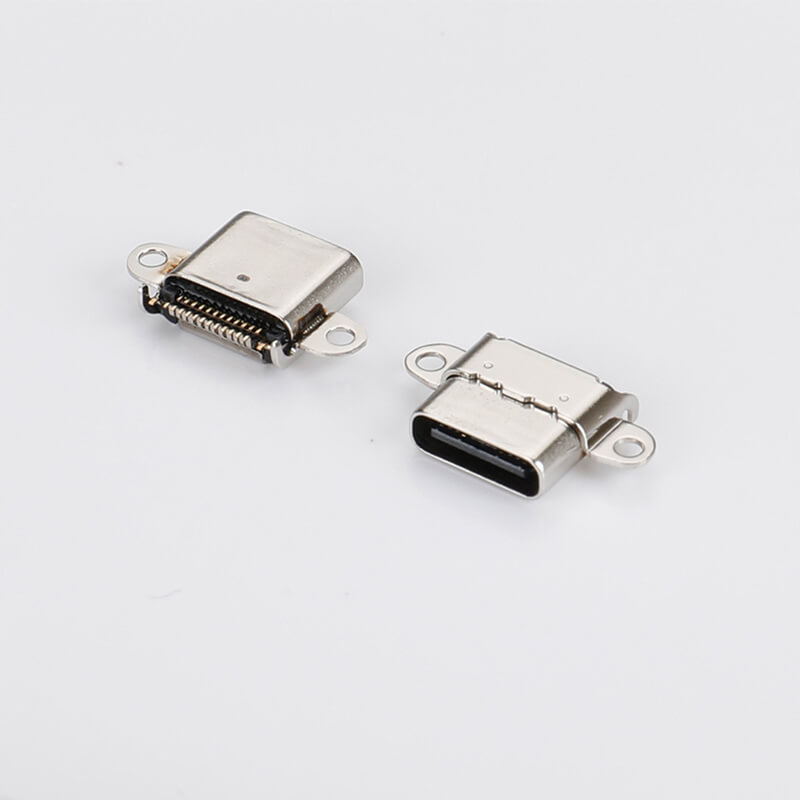
Design Considerations for USB Type-C Connectors
When selecting USB Type-C connectors, designers prioritize three factors:
Signal Integrity
Higher signal integrity enables faster data speeds. USB Type-C ports typically operate at 5Gb/s, but advanced models now support 10Gb/s, making them ideal for high-performance applications.
Power Delivery
USB Type-C supports up to 100W power (5A current), compared to micro USB’s 10W (0.5A). This allows devices to charge faster and handle power-intensive tasks.
Environmental Protection
Waterproof USB Type-C connectors use rubber seals and seamless housings to achieve IPX8 or higher ratings (per IEC 60529). These connectors are tested for durability, ensuring reliable performance even after prolonged exposure to water. Additionally, robust PCB mounting designs enhance product reliability and quality.
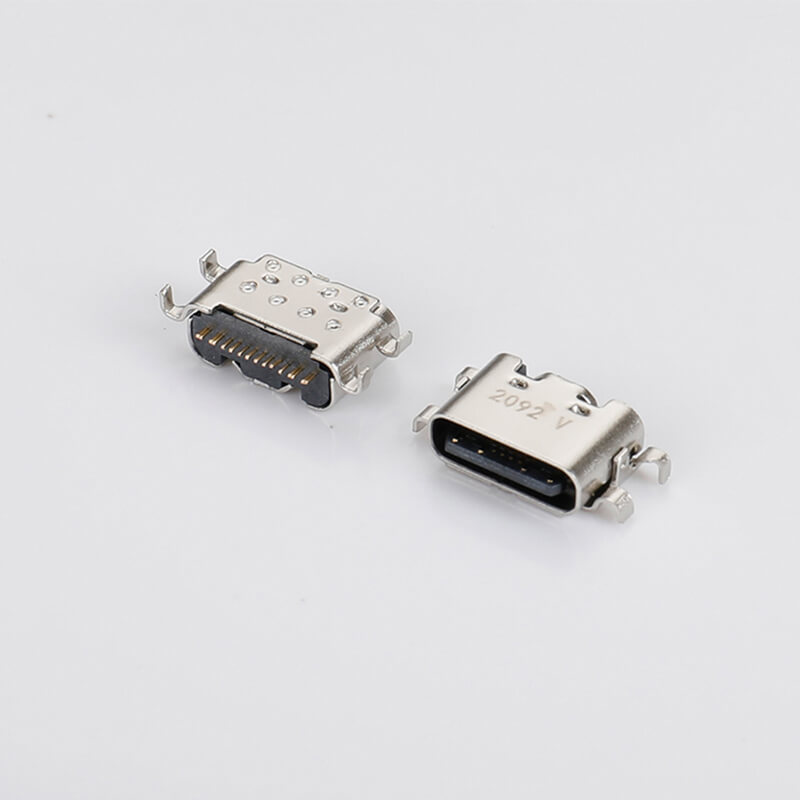
TE Connectivity’s Waterproof USB Type-C Solutions
TE Connectivity’s board-mounted waterproof USB Type-C connector exemplifies modern engineering excellence. Key features include:
IPX8 Protection: Reliable operation in 1.5 meters of water for at least 30 minutes.
Enhanced EMI Shielding: Reduces electromagnetic interference for stable performance.
High-Speed Performance: Supports 10Gb/s data transfer and 100W power delivery.
User-Friendly Design: Reversible plugging and compatibility with multiple protocols.
These connectors are widely used in wearables, smartphones, medical devices, automotive systems, and industrial equipment, offering unparalleled protection and performance.
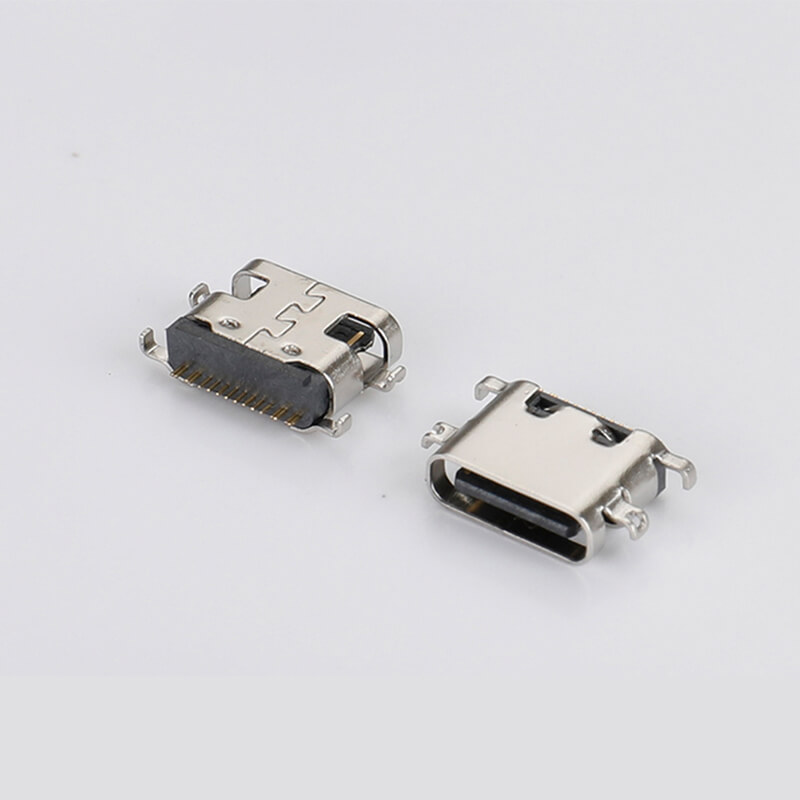
USB Type-C connectors with IPX8 waterproof ratings are setting a new standard across industries. They deliver reliability in extreme environments, faster charging, and superior data speeds. While micro USB dominated earlier generations, USB Type-C is undeniably the future. As consumer demands evolve, waterproof USB Type-C connectors will remain essential for ensuring durability, efficiency, and user satisfaction in next-generation devices.